
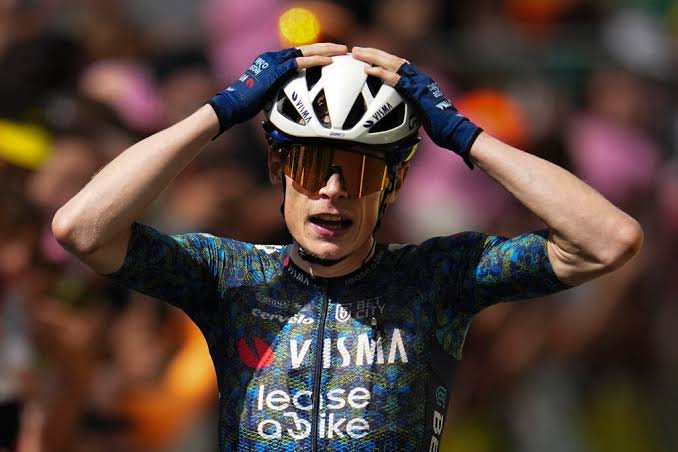
In a development that has left the cycling world in shock, Tadej Pogačar—the Slovenian prodigy and two-time Tour de France winner—has reportedly faced a significant turning point in his career. For a rider often described as the future of cycling, today’s news marks a sorrowful moment for fans, teams, and the global cycling community.

Tadej Pogačar, only in his mid-20s, has already carved out a place among the sport’s legends. With victories in the Tour de France in both 2020 and 2021, and stunning performances in Monuments like Liège-Bastogne-Liège and Il Lombardia, he quickly became known for his tactical brilliance, climbing power, and aggressive riding style. His rivalry with Jonas Vingegaard and Remco Evenepoel has defined modern cycling, making every Grand Tour and classic an electrifying event.
But now, reports indicate that Pogačar has been forced to take a step back—or even step away—from professional cycling. While the full details remain sparse, early speculation suggests that a combination of personal, physical, or possibly professional pressures may have led to this abrupt halt. Whether it’s a health issue, team conflict, or simply burnout, the news is deeply saddening for fans who have followed his meteoric rise since his debut.
This turn of events is not just about the loss of a star; it speaks to the larger pressures that elite athletes face. In recent years, cycling has seen a new generation rise faster than ever, often bearing immense pressure from sponsors, media, and their own ambitions. Pogačar has been at the heart of this shift—a young man thrust into the spotlight and expected to win everything, everywhere, all the time.
Pogačar’s humility and charm off the bike made him a beloved figure beyond his accomplishments. He was a refreshing presence in post-race interviews, often downplaying his superhuman performances with a grin and a shrug. Despite his dominance, he was never arrogant, always respectful of his competitors, and never afraid to show emotion—whether it was tears after a hard-fought victory or frustration after a narrow defeat.
If indeed this marks a pause or even an end to his cycling career, it is a reminder that athletes are human. Their lives are not solely defined by victories and jerseys but also by the immense toll their careers can take—physically, emotionally, and mentally. And for someone as young as Pogačar, who has already achieved so much, there may be a long path ahead—whether that leads back to cycling or in a new direction.
Support has already begun pouring in from fellow riders, former champions, and fans around the world. Many are expressing hope that this is only a temporary chapter in Pogačar’s story. Some have drawn comparisons to other athletes who took breaks from their sports, only to return stronger and more focused than ever.
Whatever the future holds, Tadej Pogačar’s impact on cycling is undeniable. He reminded the world that passion and grace can coexist with ambition and dominance. And whether he returns to racing or chooses a new path, he will always be remembered as one of the most talented and gracious athletes of his generation.
Today, the cycling world mourns not just a potential pause in a brilliant career, but also the emotional weight such news carries. More than anything, we wish Tadej peace, healing, and the freedom to choose what brings him joy next.
—
Let me know if you’d like this tailored to a specific platform (like a sports blog or fan page) or if you meant something different by “sacked to the cycling.”