
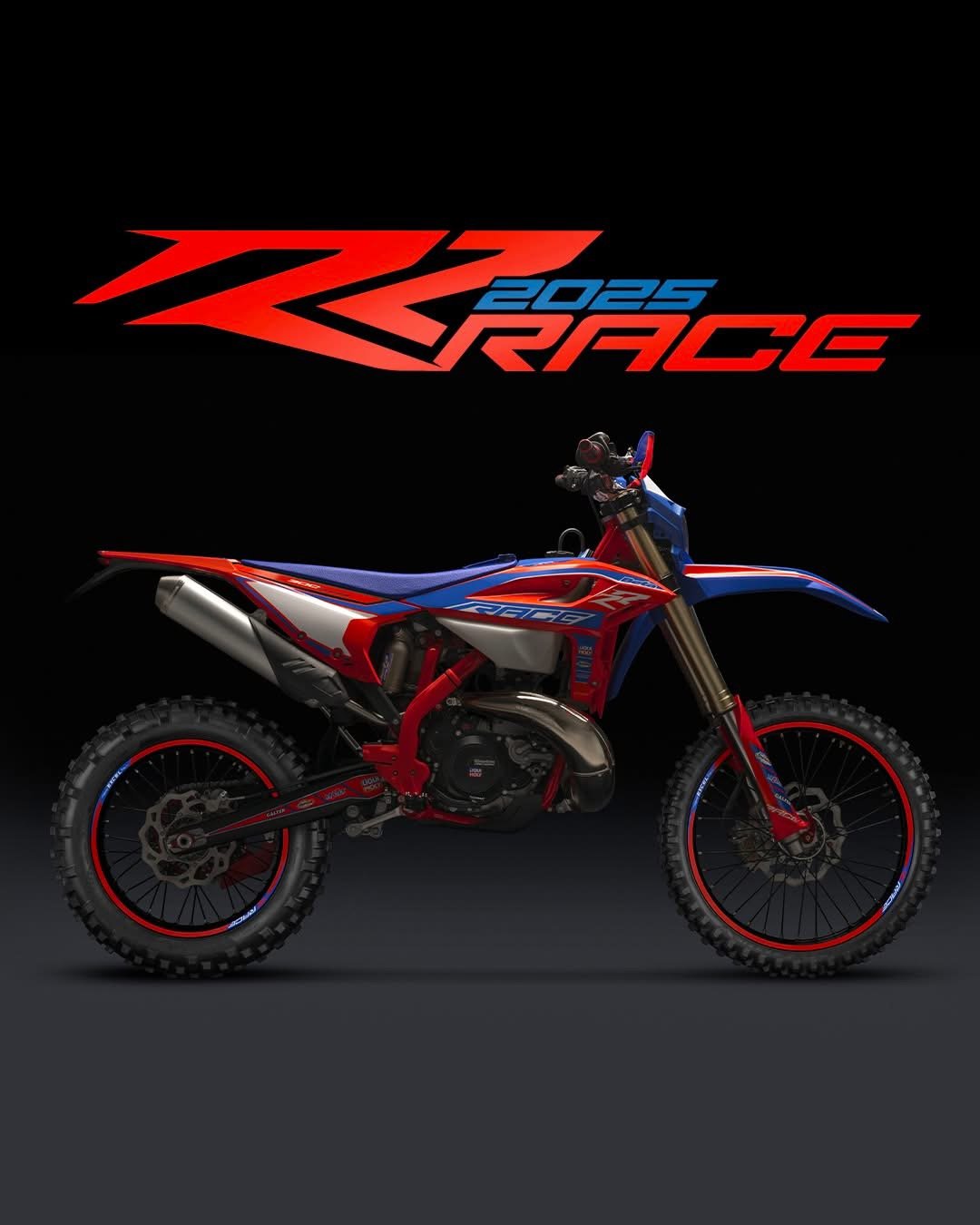
Motocross, long known for its roaring engines, raw speed, and adrenaline-pumping spectacle, is about to undergo a historic transformation. In a landmark decision aimed at redefining the future of the sport, the Fédération Internationale de Motocyclisme (FIM) has announced that, beginning in the 2026 season, all major motocross competitions will allow — and eventually require — the use of electric and hybrid-engine bikes. The move marks a bold leap toward sustainability, technological innovation, and a new era of racing dynamics.
This sweeping rule change, the most significant in the sport’s modern history, comes as global motorsport organizations face increasing pressure to reduce environmental impact and embrace cleaner technologies. With motocross traditionally relying on two- and four-stroke gasoline engines known for high emissions and noise levels, the shift signals a cultural and competitive reset.
Under the new regulations, hybrid bikes will be eligible for all competitive classes starting in 2026, with fully electric models permitted in dedicated divisions and gradually phased into the top-tier classes. By 2030, the FIM plans for a fully integrated grid where electric, hybrid, and ultra-low emission internal combustion bikes will compete side by side — or be standardized to low- or zero-emission machines, depending on technological advancements and competitive parity.
“Motocross has always been about pushing limits — of machines, riders, and the sport itself,” said FIM President Jorge Viegas. “This transition isn’t just about sustainability; it’s about leading the future of performance, engineering, and excitement. Electric and hybrid bikes are not a compromise — they’re a step forward.”
The impact on racing dynamics will be profound. Electric bikes offer instant torque and require less mechanical maintenance, which could significantly alter rider strategy and bike handling. Meanwhile, hybrid models may bring new challenges in weight distribution, battery management, and power modulation. For riders, the change demands adaptation and new training approaches. For teams and manufacturers, it opens an arms race for innovation, with companies like KTM, Yamaha, Honda, and Stark Future already unveiling electric prototypes capable of rivaling traditional engines in both speed and endurance.
Fans of the sport may have mixed reactions. Purists might mourn the fading thunder of gas-powered bikes, a sensory hallmark of motocross culture. Yet many welcome the promise of cleaner air, quieter events, and a chance to reach new audiences, especially in urban environments where noise and emissions have restricted event locations.
“It’s going to be different,” said Eli Tomac, multi-time AMA motocross champion. “But racing is about evolution. If these bikes can keep up — and they’re already showing they can — then I’m all in.”
The shift also represents a commercial opportunity. With younger audiences increasingly climate-conscious, brands that champion clean racing are likely to gain both social capital and market edge. Sponsorships, tech partnerships, and a rebranding of motocross as an eco-aware, high-tech sport are already taking shape.
To support the transition, the FIM will offer technical workshops, testing platforms, and transitional subsidies to smaller teams. Infrastructure upgrades at tracks worldwide are also planned, including fast-charging stations and battery safety protocols.
The future of motocross now lies at the intersection of tradition and technology. As the engines grow quieter and the tracks stay just as wild, one thing is certain: the heart-pounding intensity of motocross won’t fade — it will evolve. The revolution is electric, and it’s charging full throttle.